
Flavor Pioneers: 3 Black Chefs Who Shaped History
- onnie30
- Feb 1
- 4 min read
This Black History Month, we're celebrating the incredible legacy of three extraordinary chefs who didn't just cook food... they changed the entire landscape of American cuisine. At Ken-Do Spice, we believe that cooking is about more than just nourishment. It's about healing, storytelling, and honoring the rich traditions that came before us. These three pioneers understood that deeply, and their contributions continue to inspire how we approach flavor, wellness, and community today.
James Hemings: The Chef Who Brought French Elegance to America
Born in 1765, James Hemings became America's first French-trained chef, and his influence on how we eat today cannot be overstated. When Thomas Jefferson traveled to Paris, Hemings accompanied him and trained at Château Chantilly, which was essentially the five-star Michelin restaurant of its era. He later became chef de cuisine at the Hôtel de Langeac, America's first diplomatic embassy.
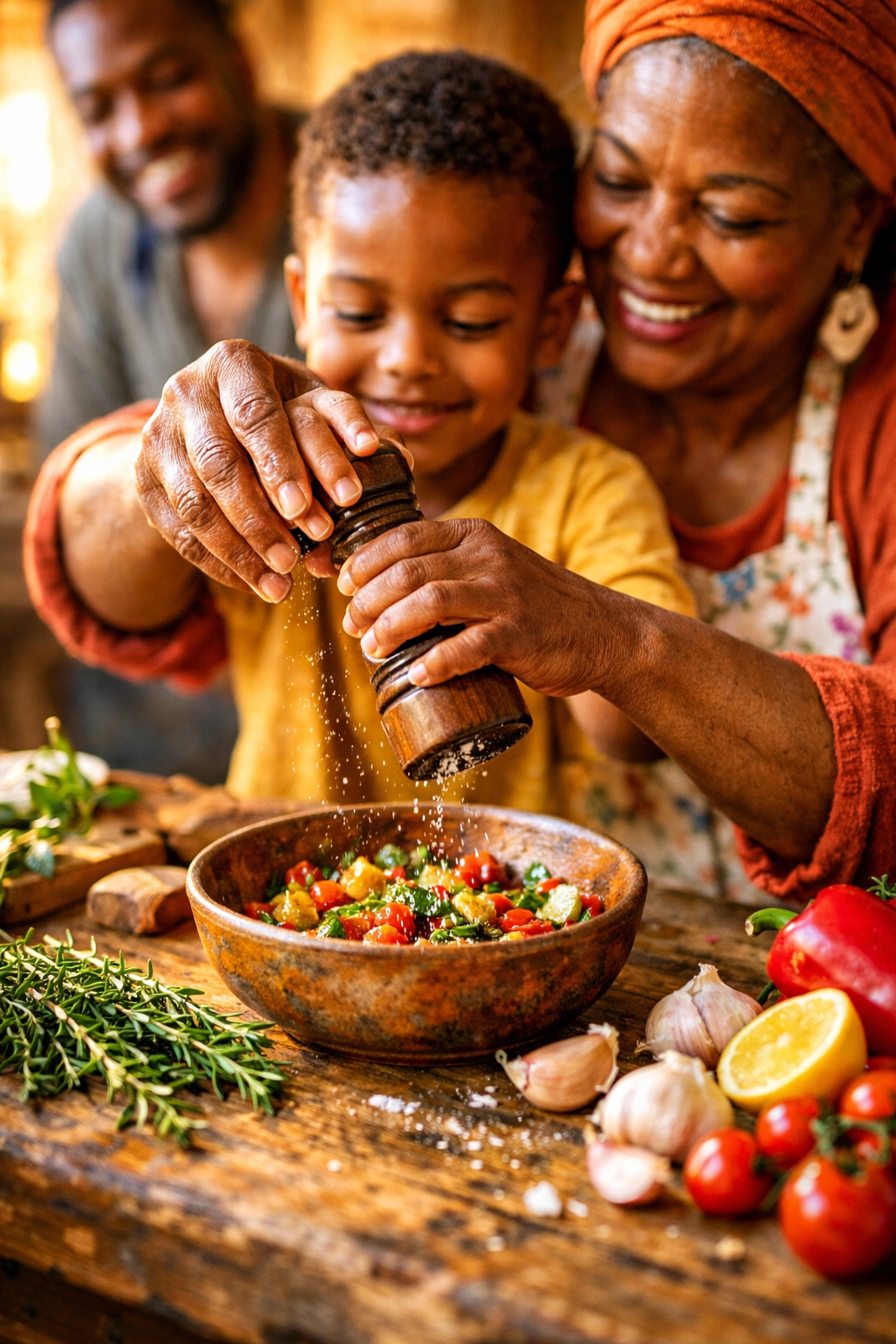
Think about your favorite comfort foods for a second. Macaroni and cheese. French fries. Crème brûlée. Hemings introduced all of these dishes to American tables when he returned to Monticelli. But his innovations went beyond recipes. He revolutionized kitchen technology by introducing the multi-burner stove, changing how Americans could prepare multiple dishes simultaneously.
What makes Hemings' story even more remarkable is that he left Monticello in 1796 as a free, literate, bilingual man. He used his culinary skills and the flavors he mastered to carve out independence in a time when that was nearly impossible. Every time you reach for that box of pasta to make mac and cheese, you're touching a piece of history that Hemings created.
Leah Chase: The Queen of Creole Who Fed a Movement
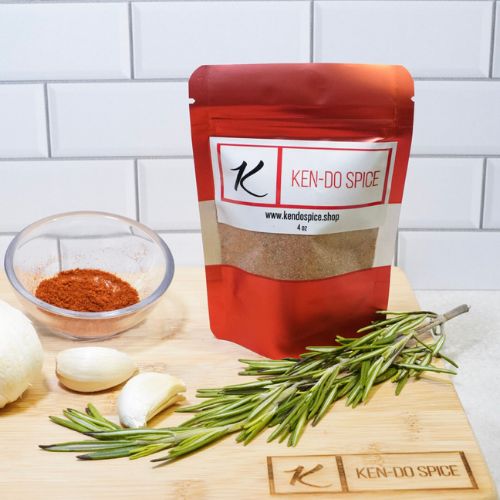
Leah Chase (1923 to 2019) understood something profound: a restaurant could be more than just a place to eat. It could be a sanctuary, a gathering spot, and a catalyst for change. As head chef at Dooky Chase's Restaurant in New Orleans, which opened during segregation in the 1940s, Chase served up classic Louisiana dishes like gumbo, jambalaya, and her famous Shrimp Clemenceau. But the real magic happened between the tables.
Her restaurant became a safe meeting place where civil rights organizers could plan their activism over bowls of perfectly seasoned gumbo. In a time when Black Americans couldn't eat in most restaurants, Chase created a space that was both a culinary destination and a headquarters for social justice. She used the universal language of flavor to bring people together and fuel a movement.
Known as the "Queen of Creole Cuisine," Chase brought New Orleans cooking to international attention. Her legacy is so powerful that Disney used her personal story as inspiration for Princess Tiana in their 2009 animated film, making her the first Disney movie featuring an African American princess. How's that for leaving a mark on history?
The herbs and spices Chase used in her Creole cooking weren't just about taste. They were about culture, heritage, and healing. At Ken-Do Spice, we honor that same philosophy. Our blends are crafted with the understanding that the right combination of thyme, cayenne, and other carefully selected ingredients can nourish both body and soul.
Edna Lewis: The Grandmother of Farm to Table
Long before "farm to table" became a trendy restaurant buzzword, Edna Lewis (1916 to 2006) was living and cooking that philosophy. The granddaughter of an emancipated enslaved person, Lewis grew up in Freetown, Virginia, a community founded by formerly enslaved people. She learned to cook using fresh, seasonal ingredients from the land, and that wisdom would eventually transform American cuisine.
In 1948, Lewis opened Café Nicholson in New York City, becoming one of the few Black female head chefs in the country. Her refined Southern dishes, made with impeccably fresh ingredients, attracted the cultural elite of the time. Tennessee Williams, Truman Capote, and Gloria Vanderbilt all flocked to taste her cooking. She showed the world that Southern food wasn't simple or unsophisticated. It was elegant, complex, and worthy of the finest dining rooms.
Her landmark cookbook, The Taste of Country Cooking, published in 1976, became a bible for home cooks and professional chefs alike. The book featured chapters on fresh local foods and annual Emancipation Day picnics, capturing a way of cooking that honored both the land and the people who worked it. Lewis understood that the best flavors come from respecting your ingredients and knowing where they come from.
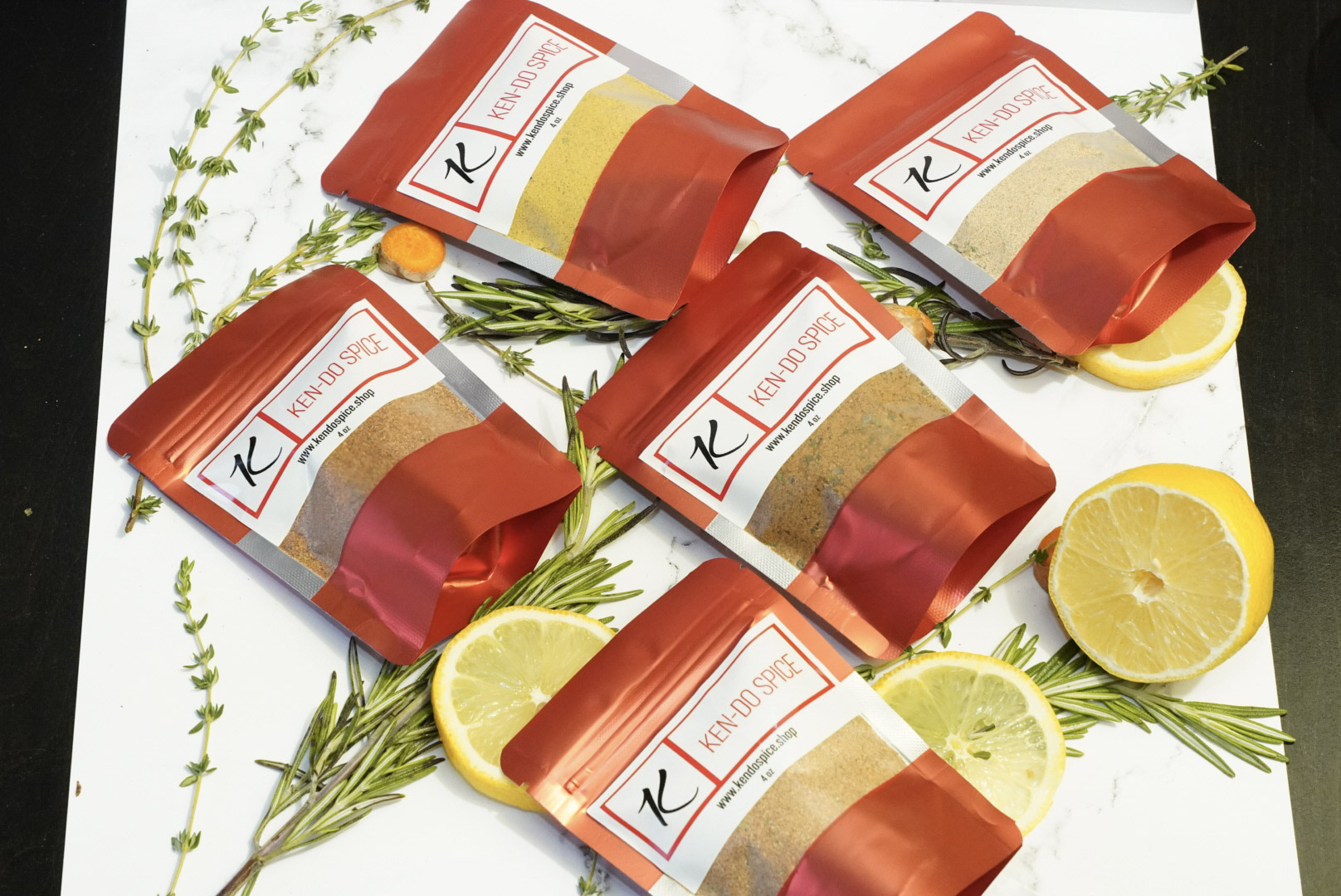
Just like Lewis championed seasonal, healing ingredients, we at Ken-Do Spice focus on creating blends that celebrate the natural power of herbs and spices. Whether it's our nutrient-dense options featuring ashwagandha or our aromatic blends with fresh lemon notes, we believe in the wisdom that Lewis preached: quality ingredients make all the difference.
The Legacy Lives On in Every Kitchen
These three chefs shared something powerful in common. They understood that flavor tells stories. Every pinch of spice, every carefully chosen herb, every technique passed down through generations carries history, culture, and love. They used their culinary gifts not just to feed people but to preserve traditions, create community, and push boundaries.
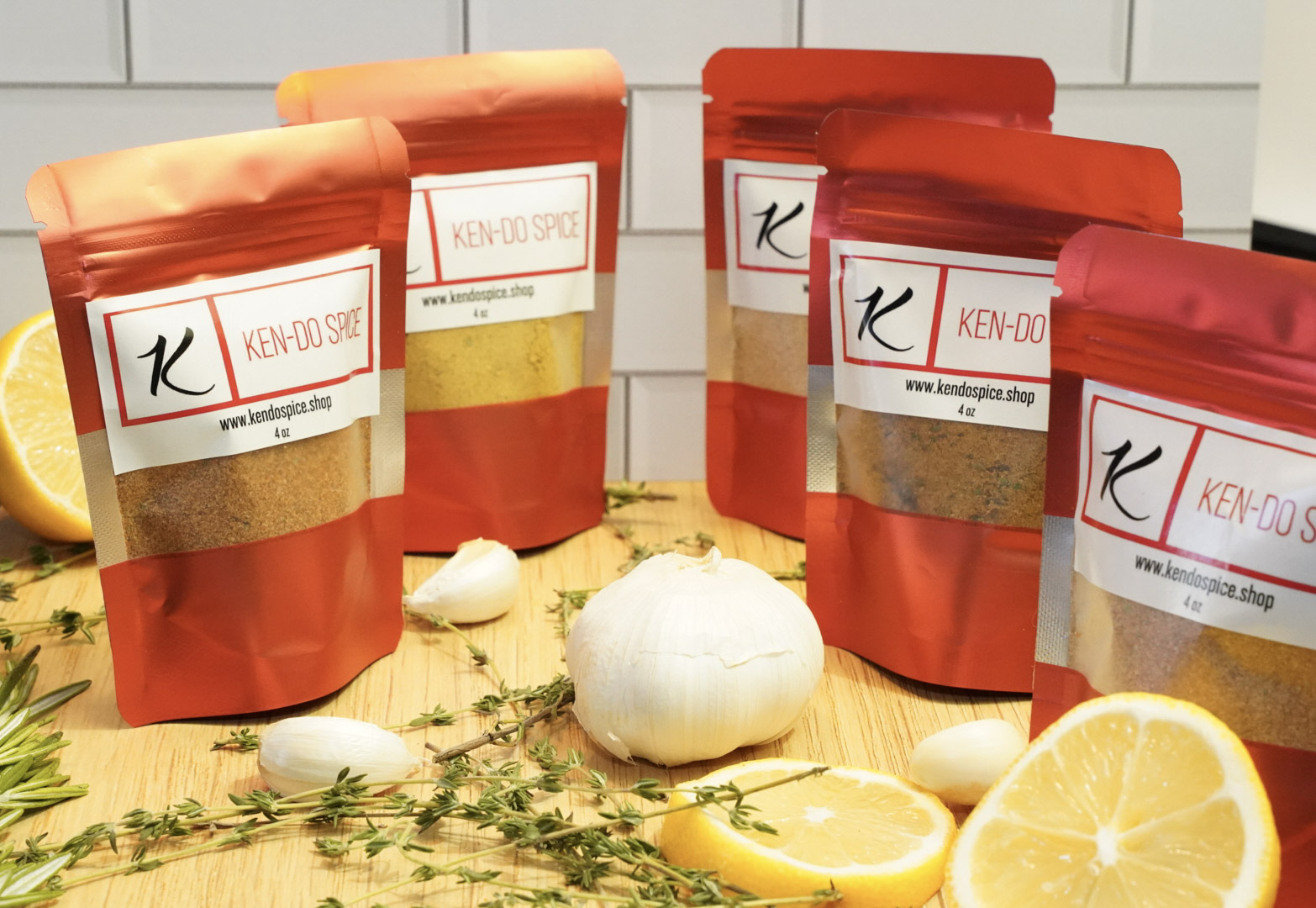
At Ken-Do Spice, we're honored to continue that legacy. Our commitment to healing and soulful cooking comes directly from the traditions that pioneers like Hemings, Chase, and Lewis established. When you use our carefully crafted blends, you're not just seasoning your food. You're connecting to a rich history of Black culinary excellence that shaped the way America eats.
This Black History Month, as you're cooking in your own kitchen, take a moment to think about the hands that came before you. The chefs who experimented with new techniques, who preserved cultural traditions, who understood that food is medicine and community and revolution all at once. Then reach for your spices and create something delicious. That's how we keep their legacy alive, one flavorful meal at a time.
Comments