
Rooted in Wellness: Why 'Soul Food' Has Always Been Superfood
Let's talk about soul food for a second.
When most people hear "soul food," they picture fried chicken, mac and cheese, and sweet potato pie. Delicious? Absolutely. But here's what often gets left out of the conversation: long before kale smoothies and açai bowls became trendy, Black communities were cooking with the original superfoods. Collard greens, black-eyed peas, okra, sweet potatoes. These weren't just ingredients. They were medicine, nourishment, and survival wrapped into one pot.
This Black History Month, we're celebrating the incredible nutritional wisdom embedded in African American foodways. Because the truth is, soul food has always been about wellness, even when the world wasn't ready to call it that.
The African Roots of Nutritional Wisdom
Before we talk about soul food, we need to talk about where it came from. The culinary traditions we know today are deeply rooted in West African foodways that enslaved Africans brought with them across the Atlantic. And here's what's fascinating: the traditional African diet was primarily plant-based, built around grains, rice, millets, nuts, seeds, and vegetables.
Sound familiar? That's basically what every modern nutritionist tells you to eat.
Ingredients like okra, black-eyed peas, yams, and watermelon seeds weren't just thrown into dishes randomly. They were carefully selected for their nutritional properties, flavor profiles, and ability to sustain communities. These ingredients packed serious nutritional power: protein, fiber, vitamins, minerals, antioxidants. Everything the body needs to thrive.
When enslaved people were forcibly brought to America, they carried this food knowledge with them. Even under the most brutal circumstances, they found ways to preserve their culinary heritage and create nourishing meals from whatever they could grow or were given.
The Original Superfoods Were Already on the Table
Let's break down some of these "original superfoods" that have been staples in Black kitchens for centuries:
Collard Greens and Leafy Greens: These weren't just side dishes. Collards, turnip greens, mustard greens, and kale (yes, kale has been in soul food forever) are loaded with vitamins A, C, and K, plus iron, calcium, and fiber. They support bone health, boost immunity, and fight inflammation. Grandma wasn't playing around when she told you to eat your greens.
Black-Eyed Peas: These little legumes are protein powerhouses. They're high in fiber, folate, and essential minerals like potassium and magnesium. They help regulate blood sugar, support heart health, and keep you full. There's a reason they're considered good luck on New Year's Day.
Okra: Sometimes gets a bad rap for being "slimy," but okra is actually incredible. It's rich in antioxidants, supports digestive health, and has been used in traditional African medicine for centuries. Plus, that "slime"? It's actually a soluble fiber that's great for your gut.
Sweet Potatoes: Not just for Thanksgiving. Sweet potatoes are packed with beta-carotene (which your body converts to vitamin A), vitamin C, potassium, and fiber. They support eye health, immune function, and blood sugar regulation.
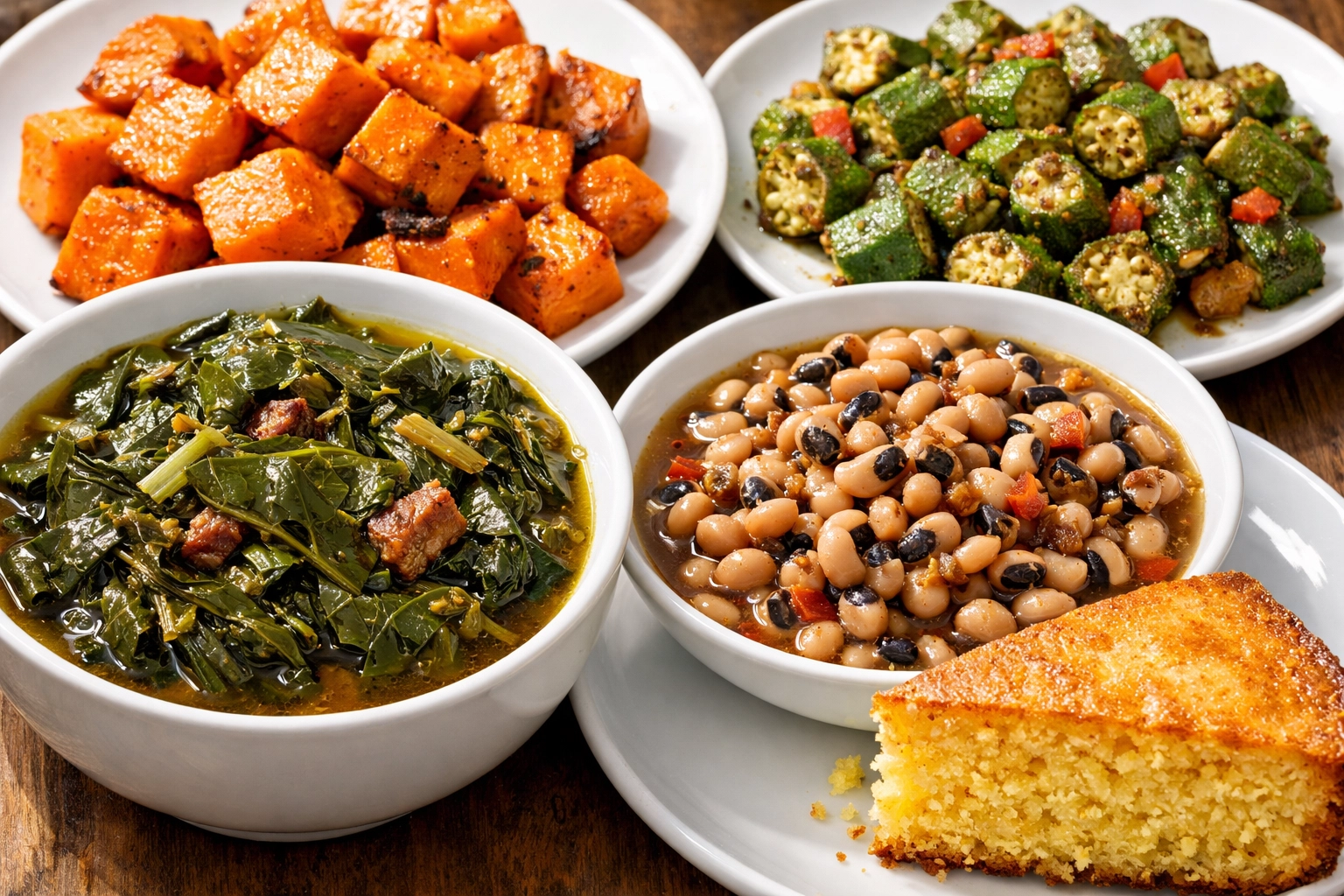
These ingredients weren't called "superfoods" back then because they didn't need to be. They were just food, used by people who understood their bodies and what they needed to stay strong.
Pot Liquor: The Original Bone Broth
Here's where it gets really interesting. You know how bone broth became this massive wellness trend a few years ago? Well, Black communities have been doing something similar for generations with pot liquor (or "potlikker").
Pot liquor is the nutrient-rich broth left over after boiling greens. When you cook collards, turnips, or mustard greens, all those vitamins and minerals seep into the water. Vitamin A, vitamin C, vitamin K, iron. It all concentrates in that flavorful liquid.
And here's the brilliant part: nothing went to waste. The greens were eaten. The pot liquor was sipped like tea, used to cook rice or grits, or sopped up with cornbread. It was deliberate, intentional nutrition. Enslaved people and their descendants used this broth as a healing remedy, understanding its power long before modern science caught up.
That's not just cooking. That's ancestral wisdom.
Creating Wellness from Scarcity
One of the most powerful aspects of soul food's history is how enslaved people transformed scarcity into nourishment. They were often given the bare minimum: cornmeal, fatty pork scraps, whatever vegetables they could grow in their own small gardens.
But they made it work.
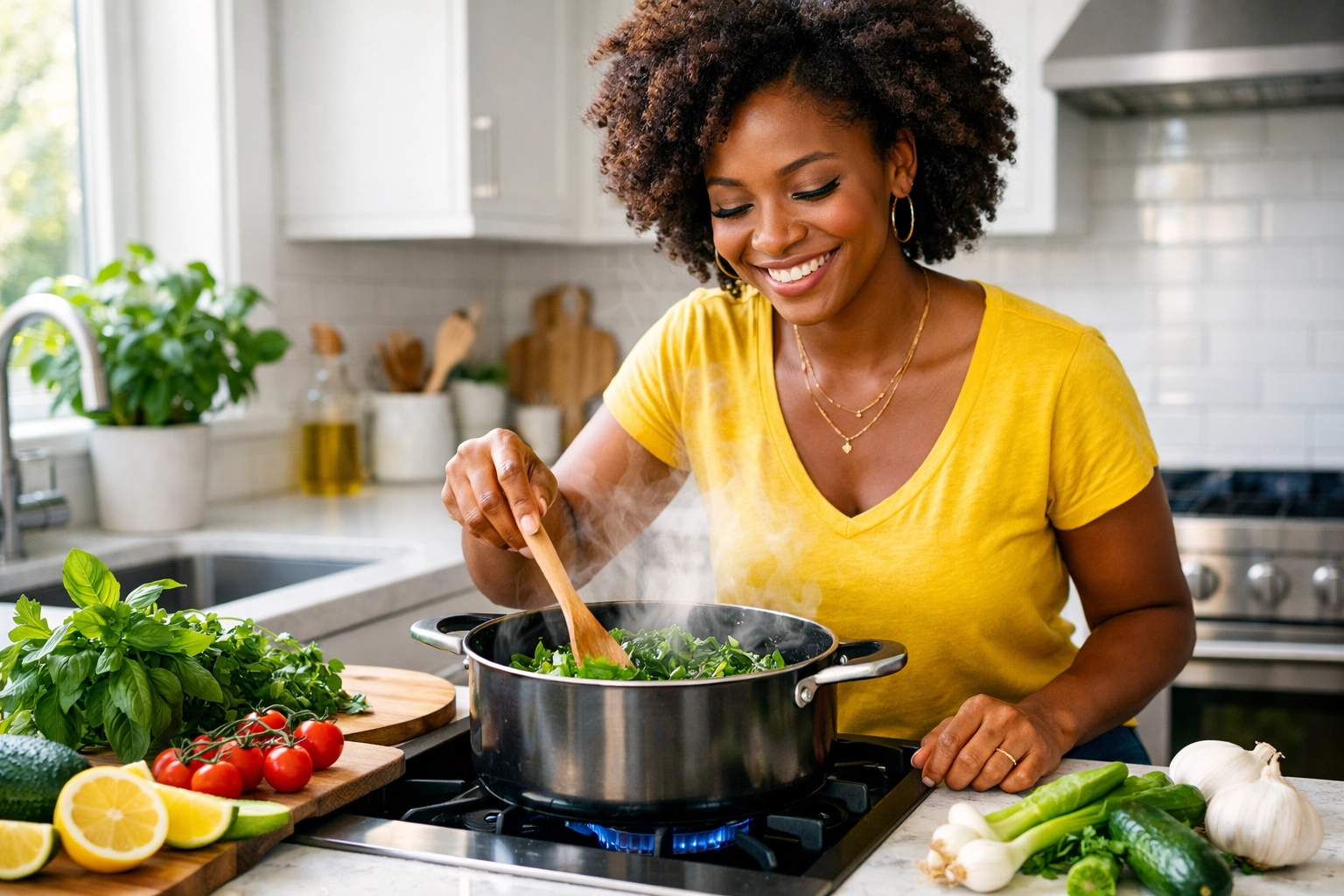
They combined black-eyed peas (protein), turnip greens (vitamins and fiber), and pork fat in a single pot, serving it with grits made from home-ground corn. The result? Meals that satisfied dietary requirements and filled bellies, even under impossible conditions. The black-eyed peas provided protein. The greens supplied fiber and vitamins C and A. The cornmeal offered energy and sustenance.
Small gardens became essential sources of fresh vegetables, providing nutrients that enslavers intentionally withheld. Tomatoes, okra, peppers, herbs. These weren't luxuries. They were survival and resistance, grown by hand and cooked with intention.
This wasn't about following a trendy diet plan. This was about using food knowledge passed down through generations to maintain health and dignity in the face of systematic oppression.
Reclaiming the Wellness Legacy
Here's where we are today: somewhere along the way, soul food got a reputation for being "unhealthy." And sure, some modern preparations have become heavier, higher in fat, salt, and sugar than their original versions. That shift happened for complex reasons tied to economics, food access, and generational trauma.
But that's not the whole story.
The original African antecedents of soul food were largely plant-based and nutrient-dense. The power of this cuisine has always been in those foundational ingredients: the greens, the beans, the whole grains, the healing spices.
There's a growing movement to reclaim these healthier interpretations. Substituting smoked turkey for pork. Going fully plant-based with some dishes. Using less refined sugar and more natural seasonings. It's not about abandoning tradition. It's about honoring the nutritional wisdom that was there all along.
Where Ken-Do Spice Fits In
At Ken-Do Spice, we're inspired by this legacy of functional, healing food. Our mission has always been about more than just flavor (though flavor matters a whole lot). It's about creating spice blends that support wellness, honor culinary traditions, and make it easier for home cooks to create nourishing meals.
Whether you're seasoning your collards, spicing up black-eyed peas, or adding depth to a pot of beans, the right spices can elevate both the taste and the nutritional value of your food. Ingredients like garlic, paprika, and celery seeds don't just make food taste better. They bring anti-inflammatory properties, antioxidants, and digestive support to the table.
We also incorporate functional ingredients like ashwagandha, burdock root, and sea moss into some of our blends, bridging traditional wisdom with modern wellness needs.
Soul food taught us that food can be both delicious and healing. That's exactly the tradition we're carrying forward.
Honoring the Past, Nourishing the Future
This Black History Month, let's celebrate soul food for what it truly is: a testament to resilience, creativity, and deep nutritional knowledge. The people who developed these foodways understood something fundamental about wellness that we're only now rediscovering.
Your great-grandmother wasn't just cooking greens because that's what she had. She was cooking them because she knew they would keep her family strong. She wasn't boiling black-eyed peas on New Year's for luck alone. She was feeding her loved ones protein, fiber, and minerals that would sustain them through the year ahead.
So the next time someone talks about superfoods, remember: Black communities have been cooking with them for centuries. The original superfoods were always right there on the soul food table, rooted in African wisdom and grown through generations of love, knowledge, and survival.
Let's honor that legacy by cooking with intention, seasoning with purpose, and remembering that true wellness has always been about more than trends. It's about connection to our roots, respect for ancestral wisdom, and nourishing both body and soul.

Comments